A Thorough Walkthrough to Garage Door Services: What to Predict and When to Contact a Professional
Garage doors contribute an essential role in house security and convenience. However, they are vulnerable to multiple issues that can affect daily life. Grasping common problems, maintenance approaches, and the appropriate time to seek expert assistance is essential for homeowners. This guide provides vital information about garage door services. It brings up significant questions about recognizing issues and picking the best service provider. What else should homeowners know to make certain their garage doors work effectively?
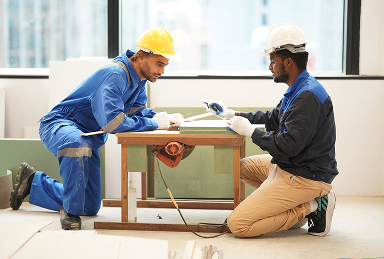
Common Garage Door Problems and How to Identify Them
Most property owners encounter common garage door problems that can disrupt daily routines. These issues often present in different ways, indicating root mechanical or electrical malfunctions. One common problem is the door failing to open or close completely, which could suggest misaligned tracks or a broken motor. Another typical issue includes unusual noises like grinding or squeaking, frequently indicating to damaged rollers or lack of lubrication.
Additionally, garage doors may show delayed responses, a marker of electrical troubles or sensor misalignment. Some homeowners may spot the door reversing unexpectedly, revealing an obstruction or a broken sensor. Finally, noticeable damage, such as oxidation or splits, can undermine the door's durability. Pinpointing these common problems in advance can reduce more major repairs, ensuring the garage door works safely and effectively.
How to Tackle Ordinary Garage Door Difficulties
Managing common garage door issues requires a systematic approach to maintain safety and efficiency. Initially, one should review the door's channels for particles, verifying easy movement. If the door is unresponsive, testing the battery status of the remote and the electrical supply for the opener is vital. In alignment problems, the channels may require fixing to grant normal operation.
Dealing with loud doors often means that lubrication of copyrights and rollers will fix your problem. When a door does not close completely, inspecting the closing sensors for obstructions or incorrect positioning becomes important. Should your springs be worn or broken, seeking professional support is suggested due to the dangerous nature of repair.
Lastly, if the garage door reverses unexpectedly, checking the safety sensors and making sure they are clean and properly aligned can help. Routine inspections and immediate action on these problems can extend the lifespan of the garage door system.
Premier Garage Door Service Pointers
Caring for your garage door properly is vital for maintaining it secure and trustworthy in its use. Essential methods involve regular lubrication of active components and detailed reviews of security features. These actions can substantially increase the garage door's lifespan while enhancing overall capability.
Regular Oiling Methods
Keeping a garage door's operation depends on consistent oiling routines that enhance its performance and longevity. Proper lubrication reduces wear and tear, decreasing damage to components such as rollers, copyrights, and tracks. It is recommended to use a silicone lubricant or light oil, which absorbs quickly and provides strong defense against rust and corrosion.
Garage door specialists advise applying lubricant to these parts every six months to ensure frictionless functioning. Additionally, it is important to remove any excess lubricant to stop debris collection. Frequently checking and caring for lubrication can help identify potential issues before they escalate, ultimately extending the lifespan of the garage door assembly and ensuring reliable functioning for years to come.
Inspecting Safety Features
Consistent lubrication steps benefit the overall operation of a garage door, though proper attention should be paid to safety features. Inspecting these features periodically is crucial for confirming safe operation. Homeowners should inspect the auto-reverse mechanism, which should engage when an object is detected in the door's path. Additionally, the safety sensors located at the base of the door must be clear and properly aligned to function effectively. It is also important to test the door's balance, as an unbalanced door may present safety hazards. Ultimately, ensuring the emergency release mechanism works smoothly is crucial, as it provides a reliable fallback during power failures. Routine safety feature inspections help prevent accidents and extend the garage door system's lifespan.
How Do Garage Door Pieces Operate?
Garage doors feature multiple vital parts, each playing a critical role in the system's complete performance. The garage door itself serves as the main protective structure, delivering security and insulation. The opener, often electric, automates the door's movement, while the remote control provides effortless entry.
Tracks direct the door's motion, guaranteeing smooth operation. Rollers, mounted to the door, enable this movement along the tracks. Springs, either torsion or extension, supply the necessary counterbalance, making it easier to lift the heavy door. Cables fasten the springs to the door, permitting tension adjustments.
Safety sensors, located near the ground, detect obstacles and prevent the door from closing on objects or individuals. Weather stripping seals gaps, blocking air and water from entering, while the frame holds up the door framework. Each part must function harmoniously to guarantee the garage door operates safely and efficiently.
Signs Your Garage Door Requires Professional Repair
Recognizing signals that a overhead door requires professional service is vital for upholding protection and functionality. Strange sounds when operating, problems with smooth opening and closing, and apparent deterioration are critical signs that intervention may be needed. Timely response to these issues can avert further damage and guarantee steady performance.
Strange Sounds During Use
If a garage door begins to give off unusual sounds during its operation, this often reveals hidden mechanical problems requiring professional attention. Typical sounds like scraping, squeaking, or rattling may point to problems involving rollers, springs, or the motor. For example, a grinding sound might mean the rollers are not operating smoothly, whereas squeaking often indicates insufficient lubrication. Additionally, a rattling sound may indicate loose hardware or components that need tightening. Not addressing these noises may cause more significant damage and expensive repairs. Owners should refrain from attempting to troubleshoot or fix these problems on their own, as poor handling may escalate the issue. Getting professional assistance ensures the garage door functions safely and efficiently.
Door Doesn't Open Easily
Strange noises may often go hand in hand with other signals that suggest a garage door requires expert repair. A garage door that doesn't open smoothly can be a significant concern, suggesting latent issues such as shifted tracks, aged rollers, or faulty springs. Homeowners may spot jerky movements or a full failure to open, which can be frustrating and unwelcome. Such deviations not only reduce the door's operational capacity but also pose safety risks. Additionally, if the door hesitates or has trouble during operation, it may show that rapid attention is required. Ignoring these red flags can lead to more grave damage and costly repairs. Seeking expert guidance guarantees a exhaustive diagnosis and rapid resolution, bringing back the door's smooth operation and assuring safety.
Visible Issues or Dents
Observable impairment or deformations on a garage door can suggest the need for experienced maintenance. Such defects can happen due to numerous causes, including environmental conditions, unexpected impacts, or gradual deterioration. Not only do these indentations impact the visual appeal of a home, but they can also threaten the door's performance and safety. For instance, a indent may disturb the door, provoking performance problems or even putting the garage to security risks. Homeowners should examine the scale of the impairment; minor damage might be fixable with do-it-yourself approaches, while major damage often necessitates professional support. Overlooking obvious impairment could cause additional problems, ensuring quick maintenance vital for maintaining both protection and exterior charm.
How to Select the Ideal Garage Door Service Company
Determining the ideal garage key resource door service option can significantly influence the longevity and usefulness of a garage system. To decide effectively, individuals should get started by examining local providers, directing attention on their image and reviews. A reputable service provider often showcases positive feedback and testimonials, indicating a pattern of content customers.
Next, it is important to verify the company's qualifications, including licensing and insurance. This step ensures that the provider adheres to industry standards and is protected against potential liabilities. Additionally, obtaining multiple quotes can help gauge pricing structures, allowing comparisons between services offered.
Furthermore, reviewing the selection of services—including fixes, installations, and servicing—is vital. An outstanding service provider should offer a full suite of options tailored to fulfill various demands. Finally, assess the provider's track record; a long-standing firm ordinarily maintains considerable expertise in handling diverse issues efficiently.
How to Get Ready for Door Service or Assembly
During a garage entry repair or fitting, homeowners can typically expect a systematic approach from the service provider. Initially, the technician will inspect the current condition of the garage door, identifying any issues or required upgrades. This evaluation often includes reviewing the door's hardware, tracks, and opener operation.
After the evaluation is complete, the technician will detail the required repairs or installation process, incorporating projected timelines and costs. Homeowners should get a thorough estimate before any work begins.
In the course of service or assembly, the technician will use dedicated tools and gear to certify safety and efficiency. Homeowners are encouraged to pose questions and relay any apprehensions throughout the course. Upon the job is finished, the technician routinely inspects the door functionality to validate satisfactory performance and may deliver service recommendations to prolong the door's lifespan. Overall, direct engagement and expert conduct are critical factors of the service experience.
Frequently Inquired Questions
What Length of Time Does a Typical Garage Door Installation Demand?
A typical garage door installation generally takes around four to six hours. Elements such as the type of door, existing hardware, and complexity of the installation can influence the overall time needed for finishing.
Do garage door repair services provide guarantees?
Yes, many door service providers offer guarantees that protect parts and labor, usually lasting one to several years. It's vital for property owners to examine warranty details before engaging services to verify adequate coverage and protection.
Is it feasible for me to install a garage door without help?
Yes, one can install a garage door themselves, as long as they possess the required equipment and expertise. However, they should consider potential safety risks and complications, as expert setup often guarantees correct operation and protection plans.
Understanding the Costs of Garage Door Repairs?
The cost of garage door services typically ranges from $100 to $500, based on how complex the issue. Cost-determining elements encompass parts needed, labor rates, and whether the door demands adjustments or complete replacement.
How Can I Improve My Garage Door's Security?
To boost garage door security, you can install deadbolts, security cameras, motion sensors, and smart locks. Routine care, including examining vulnerabilities, also helps guarantee the door stays secure against potential break-ins.